
Understanding Tabla Basics
Tabla playing is both an art and a discipline—mastering strokes, rhythm cycles, and techniques like the “scoop” can elevate your performance from basic beats to expressive storytelling. Beginners should focus on foundational bols (syllables), hand positioning, and rhythm practice before exploring advanced scooping techniques.
🎶 Understanding Tabla Basics
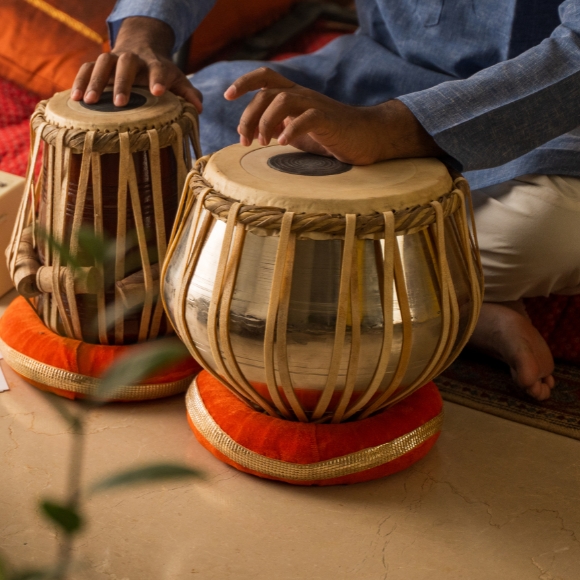
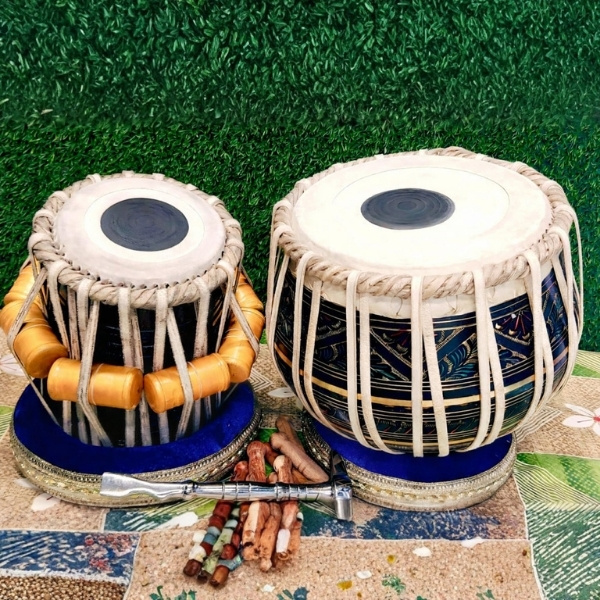
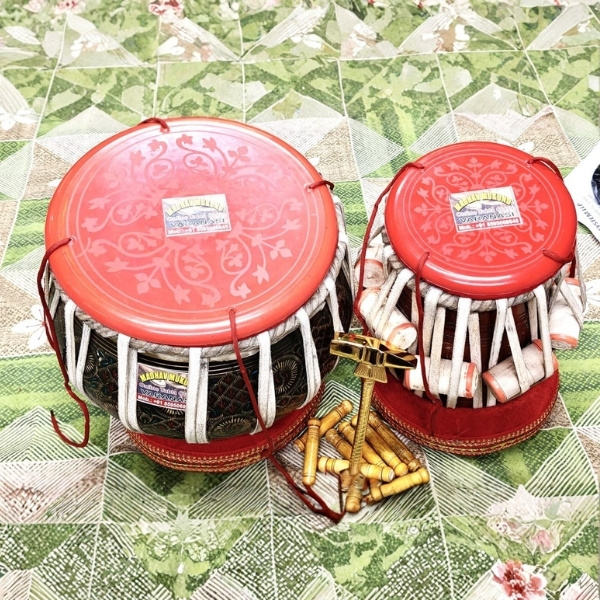
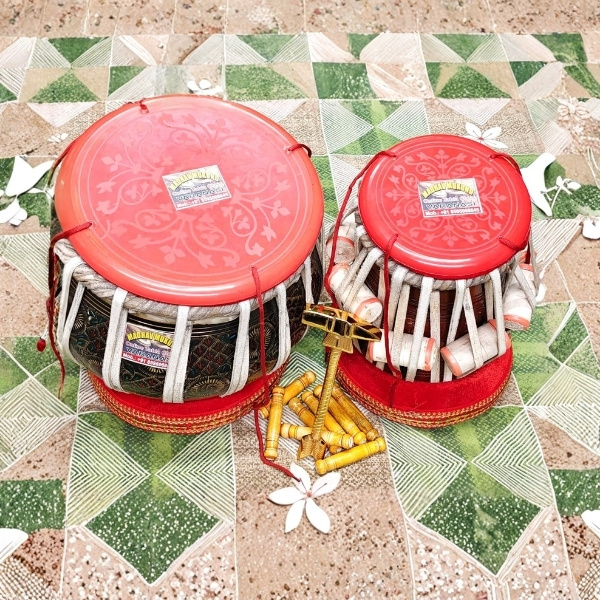
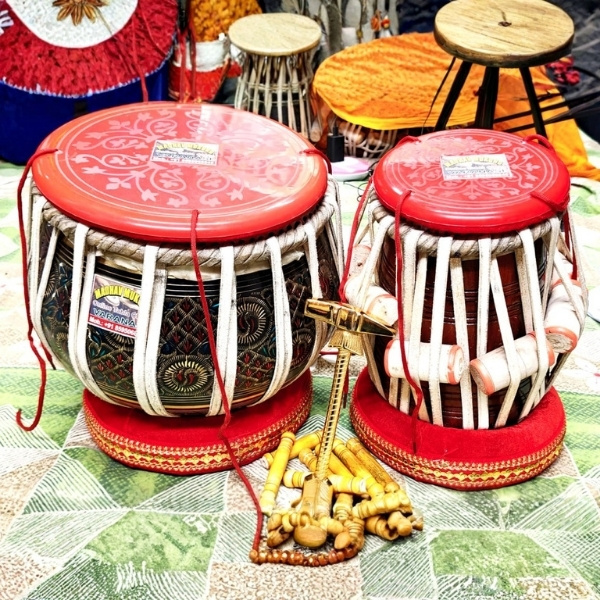
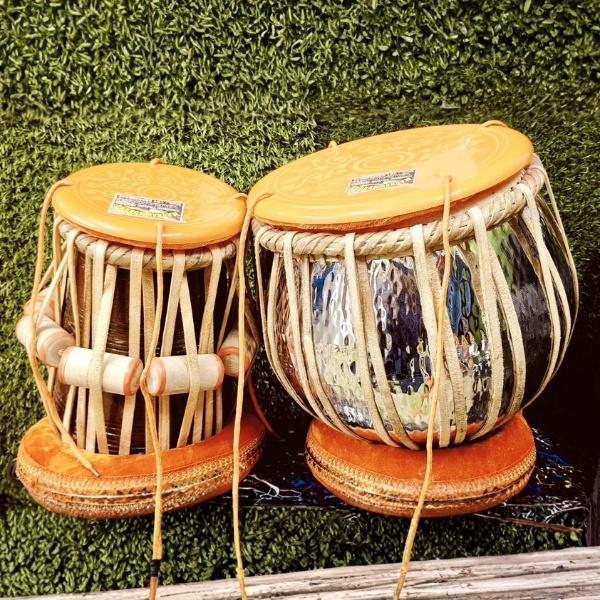
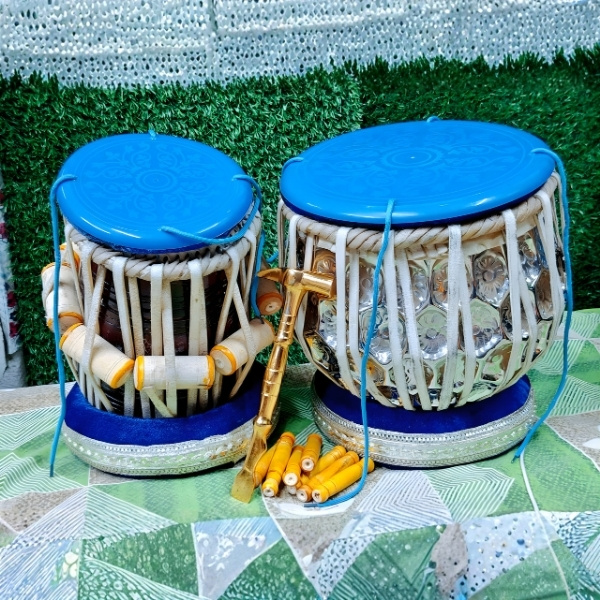
Structure: The tabla consists of two drums—dayan (right-hand drum, treble) and bayan (left-hand drum, bass).
Bols (syllables): Each stroke has a phonetic syllable (e.g., Na, Tin, Dha, Ge), which helps in memorization and rhythm building.
Posture: Sit cross-legged with the drums slightly tilted inward, ensuring relaxed wrists and fingers.
🥁 Essential Beginner Lessons
-
Hand Placement: Keep fingers flexible; avoid stiffness.
-
Basic Strokes: Practice Na, Tin, Dha, Ge, Ka daily to build clarity.
-
Rhythmic Cycles (Tala): Start with Teentaal (16 beats) and Keharwa (8 beats).
-
Practice Kaida: A structured composition that teaches improvisation within rhythm.
🎵 The Scoop Technique
The “scoop” is a nuanced stroke primarily on the bayan (bass drum):
Execution: Slide the wrist or palm across the bayan’s surface while applying pressure, creating a rising or “scooping” bass sound.
Purpose: Adds texture, depth, and dynamic variation to compositions.
Usage: Often employed in fusion music or expressive improvisations to mimic vocal inflections or enhance rhythmic storytelling.
📌 Tips for Effective Tabla Playing
✅ Key Takeaways
Master basics first: Strong bols and tala knowledge are essential.
Scoop adds flavor: Use it to enrich compositions, not replace fundamentals.
Tabla is storytelling: Each stroke conveys emotion—precision and expression matter equally.